A business trip does not need to feel repetitive to be efficient. The choice of where to stay affects how the day starts, how work gets done, and how easily it transitions into downtime. A boutique hotel in Surry Hills offers a different setup without sacrificing practicality.
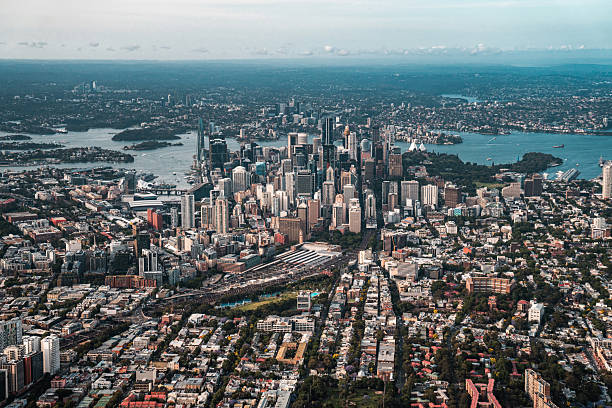
Location matters, but not just in terms of distance. Surry Hills sits close to Sydney’s CBD, making it workable for meetings and office visits, but the environment is different. Streets are active, not sterile. Cafés open early, restaurants stay relevant, and the area feels lived in. That changes how time outside meetings is spent. Instead of returning to a quiet, generic room, there are options within walking distance that do not require planning.
Room design also affects how a work trip runs. Standard hotel rooms tend to follow the same layout. Desk against the wall, neutral lighting, minimal personality. It works, but it does not always support focus or comfort for longer stays. A boutique hotel in Surry Hills tends to approach this differently. Layouts are more considered, lighting is more deliberate, and spaces feel less compressed. That difference shows during the parts of the day when work continues in the room.
Connectivity remains a priority. Reliable internet, practical work surfaces, and access to power are not optional. The difference is how these are integrated. Instead of feeling added in, they are part of the room from the start. This makes it easier to move between tasks without adjusting to the space.
Another factor is how time is used between commitments. Business trips often include gaps. Early finishes, delayed meetings, or free evenings. In a standard location, those gaps tend to be filled by staying in the room or travelling further for something to do. In Surry Hills, those gaps are easier to use. A short walk leads to places that are active without being crowded. This makes downtime feel less like waiting and more like a change of pace.
Food options also play a role. Dining during business travel can become repetitive when limited to hotel restaurants or nearby chains. Staying in a boutique hotel in Surry Hills places a wider range of options within reach. Breakfast, quick lunches, and evening meals can all be handled nearby without relying on the same setup each day. This reduces friction and adds variety without affecting schedule.
Service tends to be more direct. Larger hotels operate through structured systems. Requests go through layers, and interactions are consistent but impersonal. Boutique environments are usually smaller, which changes how service works. Questions are handled more directly, and adjustments are easier to make. This does not replace efficiency, but it reduces the steps needed to get something done.
The size of the hotel also affects the overall pace. Large properties move differently. There are more guests, more movement, and more noise at peak times. A smaller setting feels more controlled. Movement in and out is quicker, and shared spaces are easier to use without interruption. This becomes noticeable during early mornings or late returns.
Consistency is still important. A business trip requires predictability in certain areas. Check-in needs to be straightforward. Rooms need to be ready. Facilities need to work as expected. The difference is that a boutique hotel in Surry Hills delivers this without removing character. The experience remains reliable, but it does not feel identical to every other stay.
The overall effect is not dramatic in a single moment. It builds across the trip. Work gets done as planned, but the environment does not feel repetitive. Movement through the day is smoother, and downtime becomes easier to use without effort.
Choosing where to stay does not need to complicate a business trip. It can support it in a way that feels more balanced. A boutique hotel in Surry Hills provides that balance by combining access, functionality, and a setting that does not feel detached from the city around it.