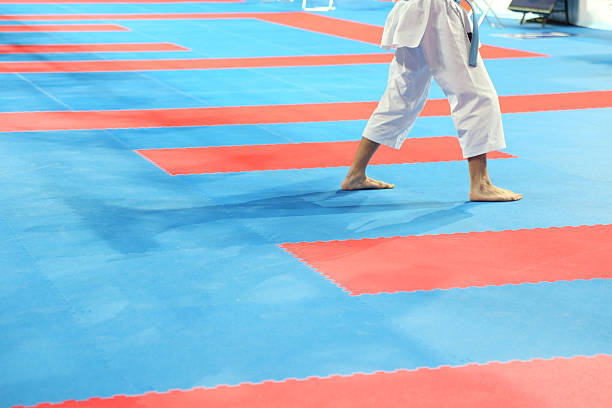
If you have been thinking about getting fitter, learning a practical skill or trying something completely new, the final months of the year are a great time to get started. Martial arts can offer a mix of fitness, discipline, confidence and social connection, with options suited to different ages, abilities and goals.
Whether you prefer striking, grappling or a combination of both, there are plenty of styles to explore across Australia. If you are ready to step onto the martial art mats, these five disciplines are worth considering before the year wraps up.
1. Brazilian Jiu-Jitsu
Brazilian Jiu-Jitsu, commonly known as BJJ, focuses primarily on grappling, positional control and submissions. Instead of relying on punches or kicks, students learn how to use leverage, timing and technique to control an opponent.
BJJ can appeal to people who enjoy problem-solving as much as physical training. Each round presents different situations to work through, making it both mentally and physically engaging.
Most academies offer beginner-friendly classes, so you do not need previous martial arts experience to start.
2. Muay Thai
If you prefer striking, Muay Thai could be an excellent choice. Often called the art of eight limbs, it uses punches, kicks, knees and elbows to create a highly versatile stand-up fighting system.
Training commonly includes pad work, bag work, conditioning exercises and technical drills. Controlled sparring may also be introduced as students become more comfortable with the fundamentals.
For Australians looking for an energetic workout while learning useful striking skills, Muay Thai provides plenty of variety.
3. Boxing
Boxing remains one of the most recognisable combat sports and can be relatively straightforward for beginners to enter.
Classes generally focus on punching technique, footwork, defensive movement, combinations and cardiovascular conditioning. While the basic movements can be learned reasonably quickly, refining your timing, accuracy and movement can take years.
It is also an excellent fitness option. Even a few rounds of pad or heavy-bag work can deliver a demanding workout without requiring you to compete.
4. Judo
Judo centres on throws, trips, pins and other grappling techniques. Rather than striking, practitioners learn to use balance, positioning and movement to bring an opponent to the ground and establish control.
Its structured approach can make judo particularly appealing to people who enjoy learning techniques step by step. Clubs throughout Australia cater to adults and children, making it a potential option for individuals and families alike.
Training regularly on martial art mats also teaches students how to fall safely, move confidently and become comfortable with controlled physical contact.
5. Mixed Martial Arts
Mixed Martial Arts, or MMA, combines techniques from several disciplines, including boxing, Muay Thai, wrestling and Brazilian Jiu-Jitsu.
That variety makes MMA a good choice for people who want exposure to both striking and grappling rather than specialising immediately. Beginner classes normally focus on fundamental movements, positioning and combinations before introducing more advanced training.
One session might cover takedowns, while another focuses on striking or ground control. This variety can keep training interesting while helping you discover which aspects of martial arts you enjoy most.
Find the Right Style for You
There is no single martial art that suits everyone. Your ideal choice depends on whether your main goal is fitness, self-defence, competition, confidence or simply finding a new hobby.
Consider trying an introductory class and speaking with instructors before committing. The atmosphere of the gym matters too. A welcoming environment with experienced coaches can make it much easier to stay motivated.
If stepping onto the martial art mats has been on your list this year, there is still time to give it a go. You do not need to be exceptionally fit, flexible or experienced before starting. Sometimes, the hardest part is simply walking through the door for your first class.