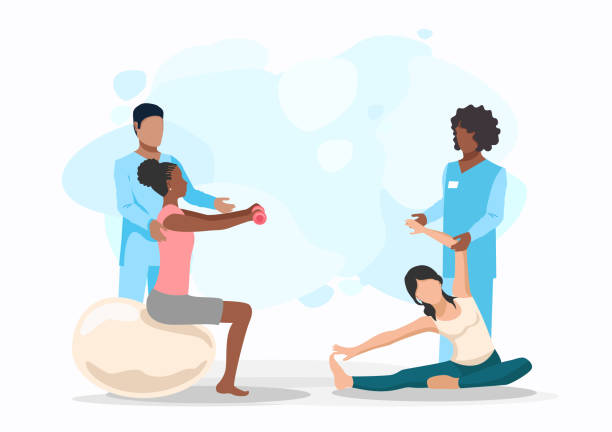
Many people still think of physiotherapy as something that begins after pain, strain, surgery, or injury. A knee gives way. A back seizes. A shoulder stops moving properly. Then the appointment is booked, usually with the hope of getting back to normal as quickly as possible.
That role still matters. Recovery support is one of the clearest reasons people seek help. But the wider picture is changing. Physiotherapy is also becoming part of how people stay well, move better, reduce future risk, and understand their bodies before discomfort turns into a problem. It is no longer only a response to something going wrong. For many, it is a practical part of long-term health maintenance.
This shift makes sense. Modern life asks the body to do contradictory things. Many people sit for hours, then expect themselves to train hard, travel, lift children, work at screens, sleep well, and stay mobile into later life. The body can adapt, but it does not always adapt evenly. Tightness, weakness, poor movement habits, and repeated strain can build quietly before pain becomes obvious.
Preventive care helps catch those patterns earlier. A person may not feel injured, but they may notice recurring stiffness, reduced balance, uneven strength, or a loss of confidence in certain movements. These are useful signs. They do not always need dramatic treatment, but they may benefit from assessment, guidance, and a plan that keeps the body working well.
This is where physiotherapy can support people who are not injured in the traditional sense. It can help runners manage training load before small niggles become setbacks. It can help office workers reduce the strain linked to long sitting and screen use. It can support people who lift, garden, cycle, dance, play sport, or simply want to move through daily life with less restriction. It can also help older adults maintain strength, balance, coordination, and independence as their bodies change.
Posture is another area where the conversation has matured. The aim is not to force everyone into one perfect position. Bodies are built to move, not freeze. The more useful question is whether a person has enough strength, variety, and awareness to avoid being stuck in the same patterns all day. Small changes in movement habits can make a large difference over time.
Performance maintenance is not only for athletes either. A parent carrying a child, a chef standing all day, a tradesperson lifting equipment, or a professional spending long hours at a desk all rely on physical capacity. Staying well means protecting that capacity before it is lost. It means asking what the body needs to keep doing its job comfortably.
A proactive approach also gives people more control. Instead of waiting for pain to dictate the rules, they can learn how to pace activity, build strength, improve mobility, and recognise early warning signs. That knowledge can make movement feel less uncertain. It can also reduce the cycle of stopping completely whenever something feels uncomfortable.
None of this replaces the importance of treatment after injury. When something hurts, professional care can still guide recovery, rebuild confidence, and reduce the chance of recurrence. The broader point is that the same expertise can be useful earlier, when the goal is not repair but resilience.
Wellness is often talked about in terms of food, sleep, stress, fitness, and mental health. Movement deserves the same attention. The way a person bends, walks, sits, lifts, balances, breathes, and recovers shapes how well they live day to day.
Thinking about physiotherapy as part of an ongoing health routine opens a different door. You do not have to wait until something breaks down. You can use it to understand your body better, protect the activities you value, and keep moving with more confidence for longer.