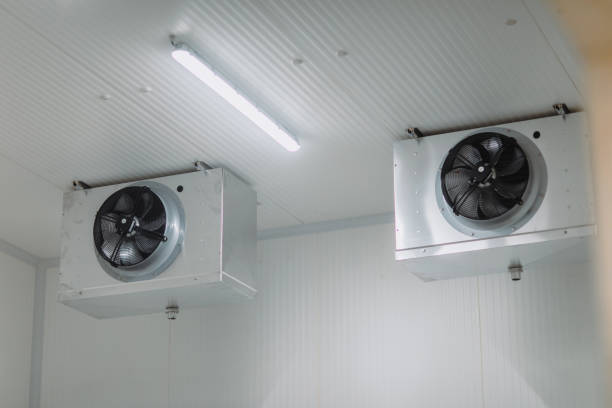
Energy use and temperature control can look like competing priorities. One seems to push a business towards less cooling, while the other demands reliable cold conditions at all times. In practice, the better target is not simply “use less refrigeration”. It is to remove wasted load while keeping stock within the conditions it requires.
Start with the temperature requirement
Different products have different storage needs, so set-points should be based on the applicable requirements for the stock and the equipment. Setting a system colder than necessary can increase workload without adding useful protection, but setting it too warm creates a different risk. Food businesses should follow relevant food-safety guidance and their own procedures.
Commercial refrigeration solutions should also be checked for temperature consistency, not only the number shown on one display. Poor airflow, overloaded shelves or frequent door opening can create local warm areas even when the controller appears normal.
Reduce the heat entering the space
Every open door admits warmer air. In a busy kitchen or shop, dozens of unnecessary openings can add up. Organising stock so commonly used items are easy to find helps staff work faster without asking them to sacrifice service.
Deliveries matter as well. Loading large amounts of warm product creates a significant cooling demand. Where appropriate, businesses can plan receiving and storage so the refrigeration system is not repeatedly hit with avoidable peaks.
Keep seals and airflow working
A worn door gasket can leak continuously, while blocked vents can prevent cold air reaching parts of a cabinet or room. Both problems force the system to work harder for poorer results. Visual checks are simple, but damaged components should be repaired properly rather than improvised.
Cleanliness outside the cold space matters too. Condensers need to reject heat. Dust, grease or restricted ventilation can make that harder. Maintenance requirements vary, so cleaning and servicing should follow equipment instructions and be completed safely.
Use controls intelligently
Modern commercial refrigeration solutions may include electronic controls, alarms or monitoring that help reveal temperature patterns and run behaviour. Data can show whether a room warms at the same time each day, whether a door is being left open or whether equipment is taking longer to recover after loading.
The point is not to collect graphs for their own sake. A useful monitoring system should support decisions, alerts and maintenance. Settings should also be protected from casual adjustment so a well-meaning change does not create instability.
Staff habits can support the technical measures. Training does not need to turn every employee into a refrigeration specialist. It can simply explain why doors should close promptly, why vents must stay clear and why unusual frost or temperature changes should be reported. Commercial refrigeration solutions perform inside a real workplace, so everyday behaviour becomes part of their operating environment whether the business plans for it or not.
Maintain before efficiency slips
commercial refrigeration solutions can decline in performance gradually. Fans, seals, sensors and other components wear, while coils can become dirty. Preventive maintenance gives a business a chance to correct those issues before they show up as higher energy use or unreliable temperatures.
Taurus Refrigeration Services is a New South Wales business associated with commercial refrigeration and air-conditioning work. Whichever provider a site uses, service discussions are more productive when staff can share temperature records, operating patterns and recurring symptoms.
Match capacity to real operations
Equipment that is poorly matched to demand may cycle excessively, struggle during peak periods or operate inefficiently. When replacing or expanding a system, businesses should describe actual door use, stock loads, ambient conditions and service patterns rather than relying on floor area alone.
Keeping stock at the right temperature without wasting energy is a systems problem, not a single setting. Good commercial refrigeration solutions combine appropriate design, disciplined use, maintenance and useful monitoring. When those elements work together, the business can protect its stock while reducing the unnecessary heat, leakage and poor operation that make refrigeration work harder than it needs to.