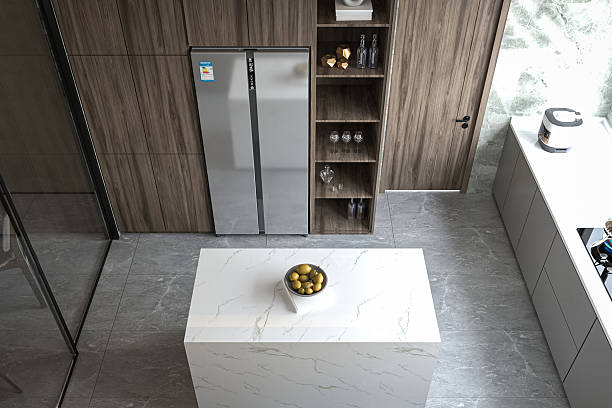
A renovation can make a homeowner feel strangely alone. There may be hundreds of choices, each one small enough to seem manageable and large enough to cause doubt. Door colour, handle weight, worktop edge, splashback height, cabinet profile, floor tone, lighting style, tap finish, and appliance position can all ask for attention before the owner has worked out what kind of room they are trying to create.
For people planning luxury kitchens, choice can look like freedom at first. It gives the client a sense of control, especially when the budget is high and the result will last for years. Yet too much choice can quickly become noise. The homeowner may begin to compare every sample against every other sample, then lose confidence in decisions that looked clear the week before.
This is not a failure of taste. It is often a failure of framing. A person can choose beautiful finishes one by one and still end up with a room that feels unsettled. Each item may be good on its own, but the whole space may not speak with one voice. That is why an expensive selection process can still feel thin if nobody is shaping the choices into a clear direction.
Being understood is different from being shown options. It means the client does not have to become a full-time design manager. Someone has taken the purpose of the room, the house, the budget, and the owner’s preferences, then used those limits to reduce the field. The result is not fewer choices for the sake of it. It is fewer choices that make sense.
In Ireland, this can matter because homes often carry strong context. A coastal property may need a different mood from a townhouse in Dublin or a restored rural house. A bright showroom finish may not behave the same way under softer local light or beside older materials. The owner may need guidance that respects the house, not just the trend.
Luxury kitchens can become harder to plan when the client feels they must justify every decision. They may pick a bold surface to prove the room is special. They may choose a famous material because it feels safe. They may copy a style because it has already been approved by others. None of these moves are wrong by themselves, but they can hide uncertainty.
A clearer process asks better questions before samples take over. Does the client want a room that feels calm, formal, lively, neat, warm, or quietly impressive? Should the design soften the house or sharpen it? Should the room feel new, rooted, private, or open? These words can guide finish choices better than a tray of samples alone.
Once that direction exists, decisions become less emotional. The client can reject something lovely because it does not serve the room. They can accept a plainer detail because it supports the whole. They can stop asking whether each item is “nice” and start asking whether it belongs. This shift can make the project feel less scattered.
There is also a budget benefit. Choice without guidance can lead to spending in the wrong places. A client may pay more for a feature that adds little, then cut back on something that would have improved the room’s feel or use. A shaped design path can protect money from panic decisions.
Luxury kitchens should not make homeowners feel tested by their own taste. They should make the process feel clearer as it moves forward. The best guidance may not be the loudest recommendation. It may be the quiet removal of options that were never right for the home.