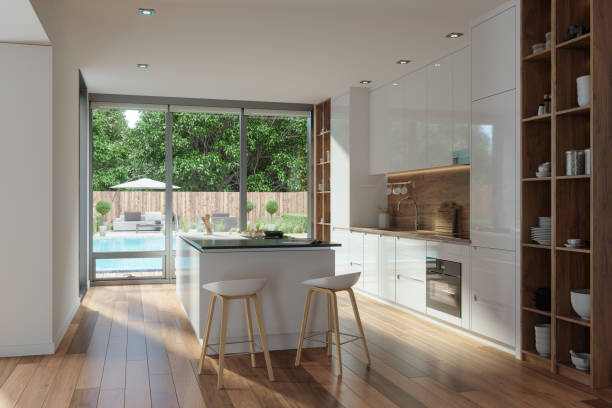
Renovating with resale in mind changes the way every decision feels. A finish is no longer just a finish. A layout is not only about personal comfort. Each choice begins to carry a second question: will this make the property more desirable when the next buyer walks through the door?
In Ireland, that question often leads back to the kitchen. Buyers may admire a hallway, a garden, a sitting room, or a master bedroom, but the kitchen tends to decide how seriously they read the rest of the home. It is the room where lifestyle, practicality, taste, and build quality meet. For homeowners considering luxury kitchens, the value case is not built on indulgence. It is built on how strongly this one space shapes the perceived standard of the whole property.
A weak kitchen can make a good house feel unfinished. A competent kitchen may help a property hold its ground. A great kitchen can make the home feel more complete, more current, and easier to imagine living in. That difference matters in a market where buyers often compare properties quickly and judge confidence through visible details.
The Irish property market adds its own pressure. Many homes combine older layouts with modern expectations. Period houses may need sensitive upgrades. Newer homes may need more character and better spatial discipline. Rural and coastal properties may need durability without losing elegance. In each case, the kitchen becomes a test of whether the renovation understands the house, not just the trend.
The strongest value comes from decisions that feel permanent rather than fashionable. Buyers respond to proportion, flow, natural light, storage discipline, and a sense that the room has been designed for real life. They notice when the kitchen connects easily to dining, garden, family, or entertaining areas. They notice when the room feels calm rather than crowded. They notice when quality is quiet but unmistakable.
This is where luxury kitchens can create a sharper gap between good and exceptional. Value is not driven by expense alone. It comes from design intelligence. A well-planned kitchen makes movement feel natural. It hides everyday clutter without making storage awkward. It supports cooking, hosting, and family routines without turning the room into a showroom. It suits the architecture instead of sitting inside the home like a separate display.
That distinction matters because resale value is partly emotional, even when buyers talk in practical terms. A buyer may say they want enough storage, good light, and a usable layout. What they are also looking for is reassurance. They want to feel that the difficult, expensive, high-impact work has already been done properly. A kitchen that feels considered reduces doubt. It gives the impression that the wider home has been cared for at the same level.
The opposite is also true. A kitchen that looks newly installed but poorly judged can create hesitation. If the island is too large, the materials feel short-lived, the lighting is flat, or the room fights the architecture, buyers may start mentally discounting the property. They may not calculate it aloud, but they feel the cost of correction.
For homeowners renovating in Ireland, the lesson is not to chase the most dramatic kitchen possible. It is to invest where judgement lasts. The room should look current without being trapped in a moment. It should support daily use without losing composure. It should raise the standard of the home rather than simply update one part of it.
Done well, luxury kitchens are not decorative spending. They are a financially rational way to strengthen a property’s appeal, protect buyer confidence, and make the whole home feel more valuable. The return is not only in what is added, but in what doubt is removed.