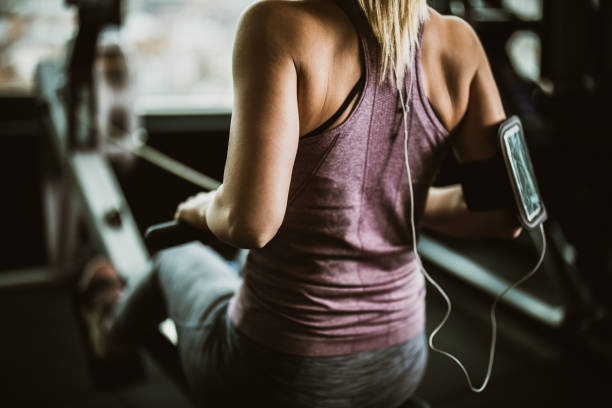
A group fitness class can change mood in the first minute. People step in with water bottles, towels, tight shoulders, and mixed levels of confidence. Some want to be pushed. Some hope not to look lost. Others need the room to help them begin.
The playlist seems like the obvious driver, but the track is only part of the story. A strong song can fall flat if the room delivers it poorly. A simple beat can feel powerful if it reaches the group with the right shape. In a class, sound acts almost like a second instructor.
Movement follows cues. A coach may count down, call a change, or correct form. The music may mark effort, recovery, or the last difficult round. When these cues blur, people hesitate. Hesitation breaks energy. Once energy drops, the class can feel longer than it is.
For class energy, commercial audio speakers can affect how confidently people move together. If sound gathers near the front, the first row may feel driven while the back row feels detached. If it bounces too sharply, instructions may lose clarity. If it lacks body, the room may feel thin even with a popular track.
The fitness setting has its own problem: people listen while under effort. They breathe harder. Their focus narrows. They may not process long instructions. This makes clear sound more important, not less. The class needs music and voice to support action quickly. There is little time for people to guess what comes next.
A flat class is not always caused by a weak coach. Sometimes the room refuses to carry the coach’s pace. The instructor works harder, raises their voice, claps more, and repeats cues. The group responds late. Then the coach gives even more energy to recover the room. That exchange can drain everyone.
A full class, by contrast, may feel shared. Not crowded, but joined. People sense the beat without chasing it. They hear the next move before confusion spreads. The back corner feels included. The room seems to lift effort instead of demanding it. This effect may look emotional, yet it often comes from practical choices.
Inside a studio, commercial audio speakers should not be treated as decoration after mirrors, mats, and lighting. They shape how bodies receive timing. They influence whether a sprint section feels urgent, whether a stretch feels settled, and whether a coach can guide safely without shouting through every block.
There is also a confidence layer. New members often watch others to know what to do. If they cannot hear the cue, they feel exposed. They may laugh it off, but the body remembers that small embarrassment. A room with clearer, better placed sound can help people join in sooner. It may reduce the feeling that fitness belongs only to those who already know the rhythm.
Different classes need different sound behaviour. Spin may want force and drive. Pilates may need precise voice cues and calm control. Boxing fitness may need impact without chaos. Strength circuits may need music that supports work while leaving space for correction. The same playlist logic will not suit every room.
This can also affect safety. If a person misses a cue, they may stop late or copy the wrong action. Clearer guidance can arrive before the body commits.
This is why testing matters. A studio owner should stand where new members stand, not only where the instructor stands. They should listen during movement, not just in an empty room. They should ask whether the coach sounds clear during the hardest parts, because that is when guidance can matter most.
Commercial audio speakers earn their place when they help the class feel coherent. They do not replace coaching skill, programming, or welcome. They support them. They let rhythm, instruction, and effort meet in the same room.