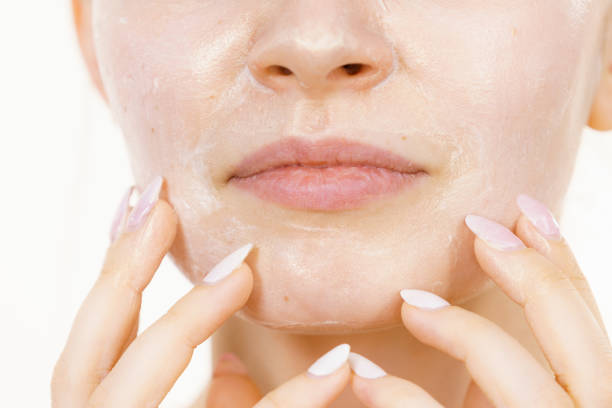
Not every skin concern needs a stronger product or a harsher treatment. Some faces show signs that the skin has already been placed under too much pressure. The signs can include tightness, redness, stinging, dryness, uneven texture, or repeated breakouts after products are changed too often. In these cases, a careful skin appointment should begin with assessment, not with speed.
A biological peel is often described as a gentler option than more aggressive peeling methods, but the word “gentle” still needs context. Skin can react differently based on age, oil level, barrier condition, recent product use, sun exposure, medication history, and past treatments. A peel that suits one person may not suit another person at the same strength or at the same time. This is why a skin professional should first check how the skin is behaving before choosing a treatment plan.
Listening to skin means looking at patterns. A client may report that a product worked well for two weeks, then the skin became sore. Another client may say that every new active ingredient causes breakouts. Someone else may have used exfoliating products at home without realising how often they were applying them. These details help show whether the skin needs correction, rest, hydration support, or a different treatment schedule. They can also show when a client is expecting the skin to change faster than it safely can.
A biological peel may be part of a plan when the goal is to refresh the surface without placing too much strain on the skin. However, it should not be treated as a quick fix for every concern. If the skin looks fragile or inflamed, the first step may be to pause certain home products and rebuild basic comfort. If the client has an event coming up, timing also matters. Treatment too close to an important date can create stress if the skin reacts.
A clear consultation should cover current skincare, recent treatments, allergies, pregnancy status where relevant, medical conditions, medication, and sun habits. These questions are not delays. They help reduce avoidable risk. The skin professional can then explain what the treatment may feel like, what changes may happen after, and what aftercare the client should follow. Clients should also know what not to do, such as using strong exfoliating products too soon after treatment or skipping sun protection.
Aftercare is a major part of the result. The skin may need simple products for a short period, depending on the treatment used. A client may be told to avoid heat, strong actives, and direct sun exposure for a set time. These instructions can sound basic, but they help protect the skin while it settles. Good aftercare also helps the client understand that the appointment does not end when they leave the clinic. Daily habits after the visit can affect comfort, so written instructions may help people follow the plan correctly.
There is also a realistic expectation issue. One treatment may improve dullness or texture, but some concerns need a longer plan. Pigmentation, congestion, uneven tone, or sensitivity may need several steps. A professional should explain the likely process in plain language, including what can change and what may take longer. This helps the client avoid jumping from one treatment to the next when results are gradual.
A biological peel should sit within a wider skin plan rather than stand alone as a trend. The right plan may include fewer products, better timing, slower changes, and regular reviews. Some faces need less pushing because the skin is already reacting to too many demands. When the appointment starts with proper careful assessment, the treatment can be chosen with more care and less guesswork. This approach gives the client a clearer reason for each step, which can make the whole process easier to follow and easier to review at the next planned follow-up appointment.